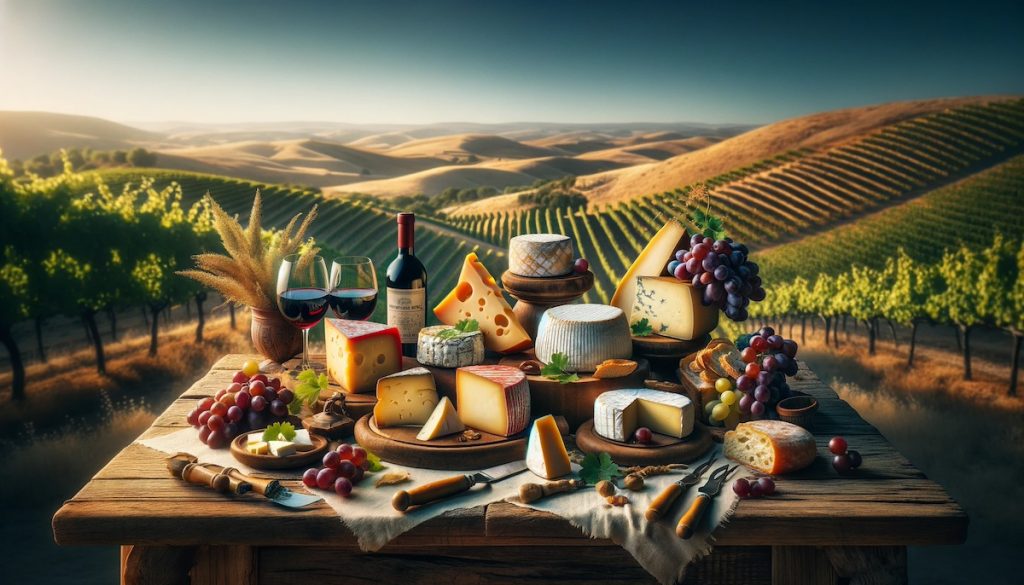
Spain’s cheese landscape is as diverse and rich as its culture, offering a palette of flavors that takes you through rolling hills, rugged mountains, and serene pastures. From the misty fields of Asturias to the arid plains of La Mancha, and the lush landscapes of the Basque Country, Spanish cheeses embody the essence of their regions, telling stories of tradition, innovation, and gastronomic excellence.
The Tapestry of Spanish Cheeses
Asturias: A Haven for Blue Cheese Lovers
Cabrales Cheese: A bold testament to Asturias’s cheese-making heritage, Cabrales is a potent blue cheese, aged in the region’s natural limestone caves. Its veiny, blue-green mold imparts a sharp, pungent flavor, reflective of the humid, mountainous terrain where it’s produced. This cheese is a symphony of cow, goat, and sheep’s milk, creating a complex, intense flavor profile.
La Mancha: The Land of Manchego
Manchego Cheese: The pride of La Mancha, Manchego is crafted from the milk of Manchega sheep, roaming the vast Plateau of central Spain. Recognizable by its distinctive herringbone rind, this cheese ranges from mild to intensely nutty, embodying the rustic elegance of Spanish cheese-making. Its history, deeply entwined with Spanish culture, makes it not just a cheese, but a cultural icon.
The Balearic Touch: Mahón-Menorca Cheese
Mahón-Menorca Cheese: Hailing from the windswept island of Menorca, this cheese captures the essence of the Mediterranean. Its square form and orange rind encase a soft, slightly salty flavor with a hint of butteriness, a reflection of the island’s rich pastoral traditions. The process of hand-rubbing with olive oil and paprika adds depth to its character, making it a unique specimen in the world of cheese.
Burgos: The Fresh Delight
Burgos Cheese: Unlike its aged counterparts, Burgos cheese offers a fresh, milky taste that’s a testament to the simplicity of Spanish cheese-making. Made from sheep’s milk, or a blend including cow and goat’s milk, it’s a soft, white cheese, often found adorned with sugar or honey to enhance its gentle flavor.
Extremadura: The Creamy Wonder
Torta del Casar: This cheese is a creamy marvel from Extremadura, known for its liquid gold center encased in a firm rind. Made from sheep’s milk and coagulated using natural thistle, its creamy texture and intense flavor make it a favorite for spreading on crusty bread.
Galicia: The Gentle Giant
Tetilla Cheese: Named for its distinctive pear shape, Tetilla is a mild, creamy cheese from Galicia. Its smooth, soft texture and slightly sweet taste make it a versatile cheese, beloved in both savory and sweet dishes.
Basque Country: A Smoked Delicacy
Idiazabal Cheese: This cheese is a hallmark of Basque culinary tradition, made from the milk of Latxa and Carranza sheep and often smoked over beechwood, giving it a distinctive, robust flavor. Its firm texture and rich, nutty taste reflect the pastoral beauty of the Basque landscapes.
The Quintessential Spanish Cheese
Queso Cheese: While “queso” simply means cheese in Spanish, it encompasses a variety of cheeses from across the country. Each region adds its unique twist, making “queso” a word that captures the essence of Spain’s diverse cheese-making traditions.
A Taste of Tradition
Spanish cheeses are more than just food; they are narratives of geography, history, and culture, molded into flavors that resonate with the essence of Spain. Each cheese tells a story of ancient practices, local climates, and artisanal dedication, making them not just components of a meal, but an experience that connects you to the heart of Spain. Whether it’s the creamy intensity of Torta del Casar, the nutty depths of Manchego, or the piquant boldness of Cabrales, Spanish cheeses offer a journey through the country’s rich culinary landscape, inviting you to savor each bite as a taste of Spain’s soul.
Was this page helpful?
Read Next: The Enigmatic Delight: Cabrales Cheese
Related Articles