|
|
|
 |
|
 |
|
|
|
 |
|
 |
|
 |
 |
|
 |
|
 |
|
|
|
 |
|
 |
 |
 |
|
|
|
|

Trade Commission of Spain

Foods from Spain
405 Lexington Ave. 44th fl.
New York NY 1014
1 212 6614959
nuevayork@mcx.es
_
Optimized for IExplorer 5.0 or higher, and a resolution of 800x600 |
|
|
|
 |
|
|
|
|

"Simply magnificent, when aged"
|
|
Mahón is the
capital and port of Menorca, the most northerly of the Balearic Islands, in the
Mediterranean Sea.It is also the name
given to all cow's milk cheeses produced on the island, as all cheese were exported from
Mahón via the Mediterranean Sea.
There are many varieties of this cheese, all
prepared for long-term storage and transportation by sea, and ranging from semi-cured to
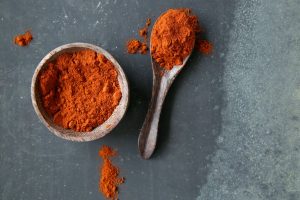
very old. The rind is either rubbed with oil or paprika , it is compact and crumbly.
The entire island (barely 800 km2) is rocky
with a mild climate and heavy rainfall. Sea winds and high atmospheric humidity irrigate
the pastures, giving the milk a high acidity and a touch of saltiness.
The island's second most important economic
activity, after tourism, is dairy cattle farming for the production of cheese using
traditional methods. More than 600 farms make their own cheese or sell milk to a big farm
cooperative and small farmhouse cheese-makers. This agricultural monoculture has been
documented in texts dating from the thirteenth century, which demonstrates the long
established cheese-making tradition of the island.
In addition, there are cheese finishers,
professionals in the art of curing cheese who buy fresh farm made cheese on a weekly basis
and leave them to dry naturally.
Labeled "Denominación de Origen
Protegida" (D.O.P.) |
Origin:
- All the island of Menorca (Balearic
Islands).
|
Characteristics.
- Menorca is an island with a long farming
history. The Romans introduced their farming utensils in order to improve the harvests,
and they also brought their herds to improve the native breeds.
- While Muslims ruled the island, there was
already a large production of wine, meat and cheese that would be sold in the northern
coast of Africa or to the European merchants. After the conquest of the island by King
Jaime I of Aragon, the Muslim King would pay a vassalage in goods that included cows,
sheep and goats.
- The cow herds, producing milk, butter and
cheese, and the sheep producing meat, cheeses and wool, were a basic part of the island
economy. These products, as well as cereals and wine were the base of the exports of the
Mediterranean island during the ruling of the Aragon Kingdom.
- From the XV century, a trading society from
Toscana that would travel to Menorca in search of Wool, would also be forced to buy the
cheeses. These merchants sold the cheeses as soon as they could, in the neighboring island
of Mayorca. This was the beginning of the strong trade between the two islands. This
tradition continues today, with Mayorca still being the main consumer of cheese from
Menorca.
- In the XVIII century the cow farms grew stronger
as the sheep market weakened as a result of the decadence of the wool trade. Armstrong, a
British engineer settled in Mahón would write about Menorca that the spirit of the island
rested on its milk (cows´), good for producing a cheese that was exported to Italy, were
it was better appreciated than the parmiggiano.
- In the second half of the XIX century an
important figure appears, the "recogedor-afinador" of cheeses. They were and are
urban merchants, mostly from the town of Alayor. Their work consists in trading and
distributing farm products, seeds, utensils, food .... In exchange they would receive
fresh cheeses that the farmers brought to their houses. In order to store them, the
"recogedores" had underground caves for the extreme careful aging of the
cheeses, controlling everything, from the changing winds and temperature level to the
correct handling of the pieces. This was the way they obtained the perfect and original
cheese from Mahón, soft, aired or cured, that they would then sell in diverse markets of
the islands and the peninsula.
- The final and crucial change in the cheese
production would begin in 1930, with the establishment of the industry, importing new cows
for breeding and improving the genetics of the milking cows, and a better control of
feeding and health care of the animals. Today, Menorcas live-stocks of cows have a
superior health and genetic selection, with one of the largest milk produtions in Spain in
more than 600 farms. This milk is fully used for dairy products. In 1985 the cheese from
Mahón received the Denomination of Origin.
|
Production process.
- The cheese can be from fresh to cured, depending
on the length of aging, made with unpasteurized or pasteurized cows´ milk. It is made
with pressed uncooked paste, and through enzimatic coagulation. Eventually the milk can be
mixed with small amounts of sheep milk.
- The cheese can be done twice a day, right after
milking the cows.
- The coagulation must be done at 32-33 ºC
(86-88ºF), a temperature slightly lower than the milk at the moment of milking the
animal. The curd added must be enough to coagulate the milk and make it compact within 40
to 60 minutes.
- Then the resulting paste has to be crumbled and
left to rest. The paste is then picked up in a thin tissue ( fogasser ) that
becomes a bag by tying up the four corners. The paste is then slightly rinsed manually by
pressing.
- The pressing is increased with a thread ( lligam
) that compresses the four tied corners of the tissue, making it as tense as possible, and
leaving no holes.
The bag is then placed in a press, where it is pressed for at least two or three hours.
- The cheese is salted by immersion in highly
salted water, for at least one day. Then the cheeses (at this point called fogasses
) are placed in a hurdle and turned around several times to let all faces of the cheese
air. If mold appears on the rind, it must be carefully cleaned.
- After aging for a month, the rind must be rubbed
with cow butter or pure olive oil mixed with paprika. The cheeses are usually consumed
after two months aging, although also they are olas served fresh, or cured for a much
longer time.
- The rind is smooth, closed, but oily, yellow or
slightly orange, due to the treatment with paprika. The interior is compact, with holes of
different sizes, and an ivory to bright yellow color, and brownish beige on the edges.
- The taste is very particular, slightly acidic
and salty, but not buttery. It can be milky and humid when fresh, and dry, strong and
piquant as the aging grows.
- The shape is rectangular, with rounded borders,
with grooves in the top face, due to the tissue and thread used. The size varies from
medium to large, reaching an exceptional weigh of 5 Kg. (9 lb.), although normally each
cheese or fogassa weighs from 1.5 to 3 kg (3 to 6 lb.)
|
Uses.
- It is one of the most versatile cheese of the
Spanish gastronomy.
- Its fine creamy texture make it ideal for
grating over pasta, as well as over potato, rice or vegetable dishes.
- Mahón is traditionally served as an appetizer,
drizzled with olive oil and served with a sprig of fresh Rosemary
- The Palo Cortado sherry brings out the
personality of the cheese, stressing its unique characteristics. The flavor of the wine
gradually loses strength, allowing the taste of the cheese to return. The combination is
very pleasant, giving very subtle sensations.
|
|
|
|
| Recipe. |

Serrano-style Ham and Potato phyllo Pizza with grated
Mahón Cheese
Serves 8-10
7, 17 x 12-inch sheets of Phyllo, stacked
between 2 sheets of wax paper
1/4 cup extra virgin olive oil
2 ounces (100 g.) serrano ham, chopped.
1 pound (1/2Kg.) red potatoes, washed well and dried
1.5 teaspoons dried rosemary, crumbled
2 cup freshly grated Mahón
Brush a baking sheet lightly with some of the
oil. Lay one sheet of phyllo on the baking sheet, and brush it lightly with some of the
remaining oil. Place another sheet of phyllo on top of the bottom sheet and press firmly
so it adheres to the bottom sheet. Oil and layer the remaining phyllo, ending with oil.
Using a mandoline or hand slicer, cut the potatoes into paper-thin slice, overlapping
them, on the dough and sprinkle with salt and pepper to taste. Spread the ham over the
potatoes, sprinkle with rosemary and Mahón, and drizzle with any remaining oil.
Bake the pizza at 400 ºF (200 ºC) over for 15-20 minutes until the edges are golden and
the potatoes are tender. With pizza wheel or sharp knife, cut into squares. Serve at room
temperature.
|
| Where
to find Spanish Cheeses in USA |
Most
of the Gourmet Food Stores in the US carry some or most of
the best Spanish Cheeses.
|
|
|
|
|
|
|